



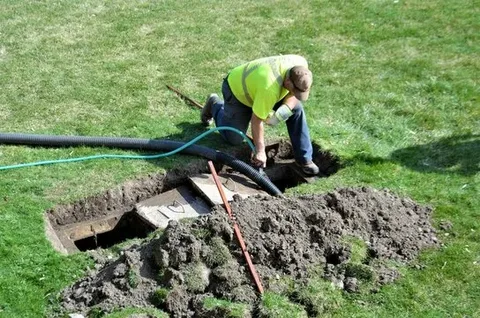
A septic system is one of the most important yet often overlooked components of a home. When it’s working properly, it silently manages wastewater and keeps your property healthy and hygienic. However, like any essential system, it requires consistent care. Regular septic system maintenance not only ensures smooth operation but also significantly extends the lifespan of your entire system. By understanding what maintenance includes and why it matters, homeowners can prevent costly repairs, avoid emergencies, and protect their investment for the long term.
Preventing Major System Failures
One of the top reasons regular septic system maintenance is crucial is its ability to prevent major system failures. When a septic tank is not pumped on schedule, solids accumulate and eventually clog the drain field. This can lead to sewage backups, foul odors, and extensive property damage. Routine pumping removes these solids before they cause harm, keeping your system functioning as it should. Inspections also allow professionals to identify early warning signs such as leaks, cracks, or root intrusion. Addressing small issues early prevents them from turning into expensive failures later on.
Protecting the Health of the Drain Field
The drain field is a vital part of your septic system, and maintaining it properly plays a major role in extending the system’s lifespan. Regular maintenance ensures that wastewater flows evenly and efficiently through the drain field. When the tank becomes overloaded with solids, those materials can escape into the drain field, clogging the soil and reducing its ability to absorb and treat wastewater. A compromised drain field is one of the most expensive septic issues a homeowner can face. Routine maintenance helps keep the drain field healthy, functional, and long-lasting.
Improving Overall System Efficiency
Regular septic system maintenance greatly improves the efficiency of the entire system. When a septic tank is pumped and inspected regularly, it can process wastewater more effectively, resulting in fewer backups, slow drains, or plumbing disruptions. A well-maintained system also breaks down waste more efficiently because beneficial bacteria can thrive without the burden of excessive sludge. This increased efficiency not only extends the life of the system but also makes everyday living more convenient for homeowners.
Avoiding Expensive Emergency Repairs
Neglecting septic maintenance often leads to sudden, costly emergencies that could have been prevented. Emergency septic repairs, especially those involving a failed drain field or tank replacement, can cost several times more than routine maintenance. By adhering to a maintenance schedule, homeowners lessen the risk of unexpected breakdowns and avoid the financial stress that comes with emergency services. Regular maintenance is a small investment compared to the high cost of unplanned major repairs.
Supporting Environmental Health and Safety
Proper septic system maintenance benefits more than just your home; it also protects the environment. A failing septic system can contaminate groundwater, nearby rivers, or lakes with harmful bacteria and pollutants. Regular pumping and inspections ensure the system is operating safely, minimizing the risk of leaks or overflows that pose health and environmental hazards. By taking a proactive approach, homeowners contribute to a cleaner, safer environment while also prolonging the life of their septic system.
Enhancing Property Value and Long-Term Home Investment
A well-maintained septic system is a valuable asset for any property. When homeowners keep records of routine maintenance, they demonstrate responsible care, which can be appealing to future buyers. A functional, long-lasting septic system increases property value and reduces potential buyer concerns. Investing in regular maintenance not only extends the life of your system but also enhances your home’s long-term value.
Regular septic system maintenance is one of the most effective ways to extend the life of your system and protect your home. By preventing system failures, protecting the drain field, improving efficiency, avoiding costly repairs, supporting environmental safety, and maintaining property value, homeowners can ensure reliable performance for years to come. A proactive approach to septic care isn’t just beneficial; it’s essential.
