


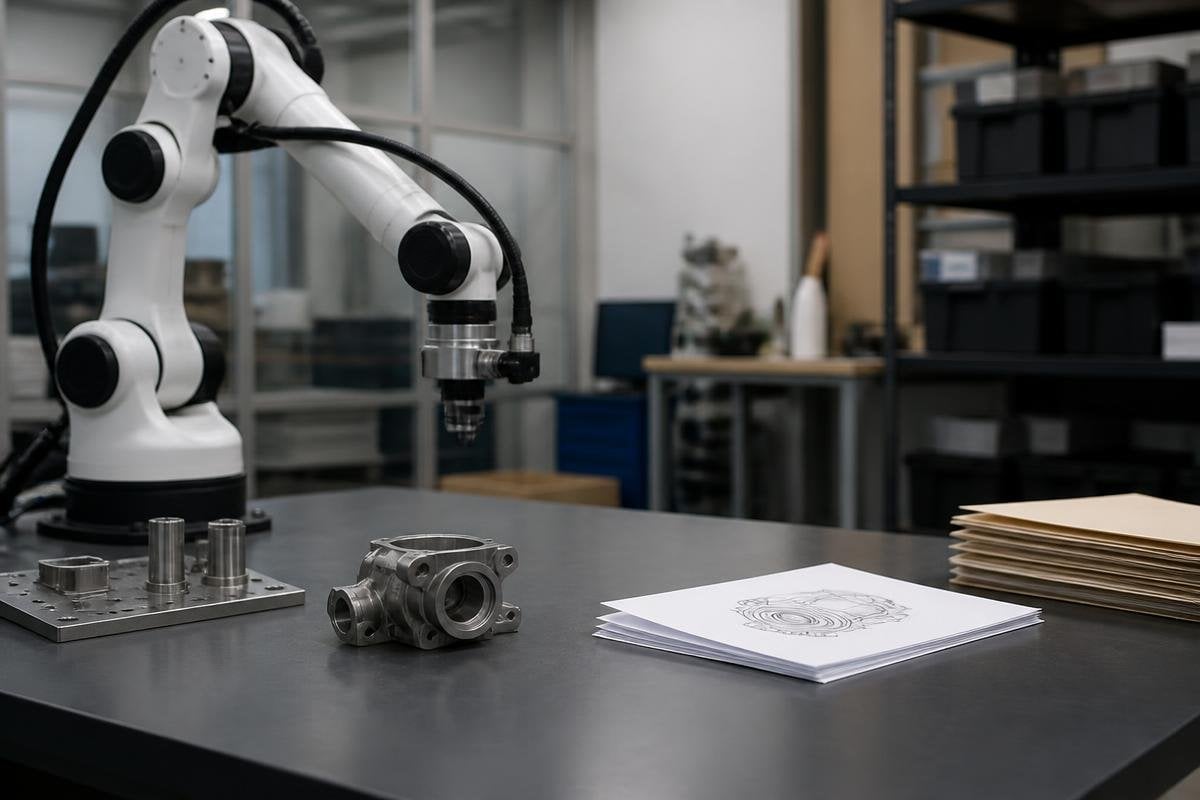
An autonomous robot can generate an image, design a part, or write software with little human input. The difficult question starts after the robot stops: who owns the result, and which rights does that person or company receive?
- The robot itself usually has no property rights.
- Copyright may depend on human creative input.
- Contracts can assign rights before the machine starts work.
Separate the robot from its output
The physical robot belongs to the person or company that bought it, leased it, or built it. That ownership does not automatically settle rights in the files, designs, images, or other work the robot produces.
The output may include several layers. A company could own the machine, a customer could own the job data, and a worker could add the creative choices that shape the result.
Those layers need separate terms because one word such as “ownership” can hide several different rights.
Copyright is one part of the problem. In many legal systems, copyright depends on human authorship. A person who selects the task, sets detailed instructions, edits the result, or chooses the final version may have a stronger claim than someone who only switches the robot on.
That line can be hard to place. Hundreds of options may come from the system, while a person picks one, changes its structure, and prepares it for sale. The legal result can depend on the amount and type of human input, plus the law where the dispute is heard.
The contract often decides the first dispute
A written agreement can answer several ownership questions before the robot runs. It can name the owner of the output, set rules for training data, and explain who may sell, copy, modify, or publish the result.
This matters when a company hires a robotics integrator to build an autonomous system. The integrator may own the software, while the customer expects to own the designs produced during paid work. Without clear terms, both sides may claim rights over different parts of the same project.
Work agreements can matter too. A worker may create the instructions, workflow, or edits that give the output its human contribution. The company may receive rights under the work agreement, but that result depends on the contract and local law.
Ownership claims around robot-made work belong with the companies, machines, and contracts behind each system. Robot24.com robotics reporting can place those claims beside named firms, deployment details, and product terms, so you can see who controls the work after the robot finishes it. That record leads to the next issue: data created during the work.
Data creates a second ownership problem
The output may use customer records, factory scans, product drawings, or other private material. Even if a company owns the new file, it may still need permission to use the data that helped produce it.
A robot trained on a customer’s designs can create a result that resembles those designs. The contract should state who may store the source files, how long the company may keep them, and what happens when the project ends.
Privacy rules can add another limit when cameras, microphones, or sensors collect information about people. Ownership of the finished file does not erase duties linked to the data inside it.
Patent rights raise a separate issue. A robot may help produce a new technical design, but patent systems can apply different rules from copyright systems. The people who direct the work, create the design, or hold the invention rights may need legal advice before filing anything.
A practical ownership checklist
Before putting an autonomous robot into paid work, check these points:
- Name the owner: state who receives rights in each output type.
- Define human input: record who writes instructions, selects results, and makes edits.
- Cover the data: list source files, sensor data, customer records, and retention periods.
- Separate the assets: treat the robot, software, model weights, output, and documentation as different items.
- Set usage rights: state who may copy, sell, publish, train another system, or alter the work.
- Choose the law: identify the country and court rules that apply to a dispute.
I’d treat any claim that a robot “owns” its own work as a warning sign. The safer approach is to assign rights to people or companies in writing, then check the result against the law that governs the project.
A contract can reduce confusion, but it can’t create rights that local law does not allow. Until courts and lawmakers give clearer rules, the human choices around the robot remain the strongest place to start.
