



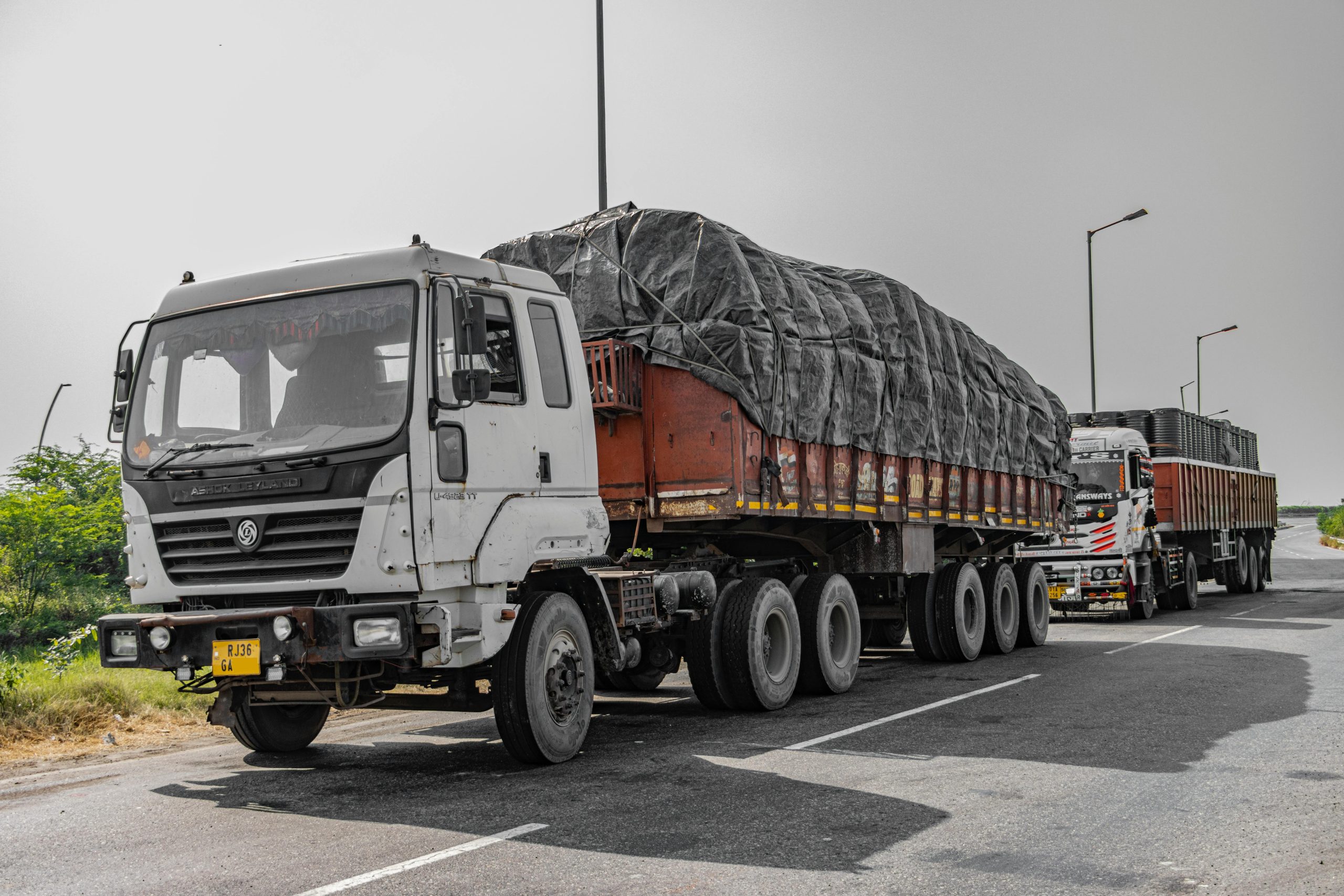
Transporting large or heavy loads is a common necessity in industries such as construction, agriculture, and manufacturing. However, moving vehicles or cargo that exceed standard size or weight limits involves more than just careful driving. Oversize and overweight permits are a crucial requirement for legal and safe transportation. Understanding what these permits entail and why they are important can help businesses and drivers avoid fines, delays, and safety hazards.
What Are Oversize and Overweight Permits?
Oversize and overweight permits are official authorizations issued by state or local transportation authorities that allow vehicles to operate beyond the standard size or weight limits defined by law. These limits exist to ensure road safety, protect infrastructure, and maintain smooth traffic flow. A vehicle may require a permit if it exceeds certain dimensions in length, width, height, or if the weight surpasses legal thresholds.
Oversize refers to vehicles or loads that are larger than standard dimensions, such as construction equipment, modular homes, or large industrial machinery. Overweight applies when the cargo or vehicle weight exceeds limits for specific roads, bridges, or highways. In many cases, a combination of oversize and overweight characteristics will require a specialized permit to operate legally.
Why These Permits Are Necessary
Oversize and overweight permits serve several important purposes. First, they ensure public safety. Vehicles carrying unusually large or heavy loads can be difficult to maneuver and may pose risks to other drivers. Permits require that operators follow specific guidelines, including approved routes, speed restrictions, and sometimes escort vehicle requirements, to reduce the chance of accidents.
Second, permits help protect public infrastructure. Roads, bridges, and tunnels are designed with certain weight and size limits in mind. Oversize or overweight loads can cause structural damage, accelerate wear and tear, and lead to costly repairs. By regulating these movements through permits, transportation authorities safeguard infrastructure and prevent unnecessary deterioration.
Third, permits provide legal compliance. Operating without the proper permit can result in fines, citations, or even impounding of the vehicle. For businesses relying on timely deliveries, this can cause significant operational disruptions. Obtaining the correct permits ensures that drivers and companies are fully compliant with state and local regulations.
How to Obtain an Oversize and Overweight Permit
Securing an oversize or overweight permit typically involves submitting an application to the appropriate state or local transportation authority. The application will require detailed information about the vehicle, the cargo, and the intended route. Documentation may include vehicle dimensions, axle weights, total load weight, and travel dates.
Some permits can be obtained online through services such as Highway Permits, which streamline the process for businesses that transport large loads regularly. These services provide guidance on documentation, route restrictions, and permit types, helping ensure that the permit is obtained correctly and efficiently.
Types of Oversize and Overweight Permits
Permits can vary depending on the state, road type, and specific requirements. Single-trip permits allow a vehicle to travel a specified route once, while annual or multi-trip permits cover repeated journeys over a defined period. Specialized permits may also exist for unique loads, such as mobile homes, agricultural equipment, or construction machinery.
Some permits include additional conditions to ensure safety, such as requiring a pilot car to guide the vehicle, restricting travel to certain hours, or limiting the load to specific roads. Understanding the permit type and its requirements is crucial for planning and executing transportation without interruptions.
Planning and Compliance Considerations
Proper planning is essential when transporting oversize or overweight loads. Route selection, timing, and coordination with local authorities are all part of ensuring safe and compliant transport. Certain roads or bridges may have weight limits that cannot accommodate the load, while others may require detours. A well-planned route reduces the risk of delays, traffic disruptions, and potential fines.
Compliance also involves following all permit conditions, including speed limits, signage, and escort requirements. Failure to comply can result in citations or revoked permits. By respecting these rules, drivers contribute to safer roadways and protect themselves and their cargo from avoidable risks.
Benefits of Working with Professional Permit Services
Navigating the complex regulations surrounding oversize and overweight permits can be challenging, especially for companies that transport large loads frequently. Professional permit services provide expertise in obtaining permits, understanding state regulations, and ensuring all documentation is accurate.
Using a service can save time and reduce administrative stress. They help ensure that applications are complete, permits are valid for the intended route and dates, and any special conditions are clearly understood. This expertise helps businesses operate efficiently while maintaining legal and safety standards.
Conclusion
Oversize and overweight permits are more than bureaucratic paperwork; they are essential tools for safe, legal, and efficient transportation of large or heavy loads. These permits protect public safety, preserve infrastructure, and ensure that drivers and businesses comply with state and local regulations. Proper planning, route selection, and adherence to permit conditions are key to avoiding fines and operational delays.
By understanding the importance of these permits and utilizing professional services when needed, companies can focus on delivering their cargo safely and on time. Oversize and overweight permits provide peace of mind, reduce risks, and support the smooth functioning of transportation networks, making them a vital consideration for any operation involving large or heavy loads.
