



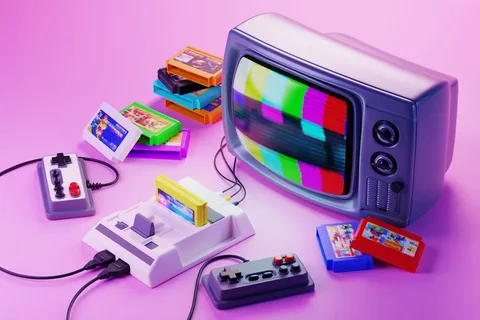
Retro gaming has seen a huge resurgence in recent years. Whether you’re reliving your childhood or discovering classic titles for the first time, owning a retro game console can bring hours of entertainment. But before you make a purchase, it’s important to know what to look for. This Retro Game Console Buying Guide: What to Look For Before You Buy will help you make an informed decision and find the perfect console for your needs.
Understanding Retro Game Consoles
Retro game consoles refer to classic gaming systems from previous decades, often popular in the 80s, 90s, and early 2000s. Popular examples include the Nintendo Entertainment System (NES), Super Nintendo Entertainment System (SNES), and Sega Genesis. These consoles often come in original hardware form or as modern replicas with updated features like HDMI support and preloaded games.
When buying a retro console, you need to consider whether you want an original system for authenticity or a modern replica for convenience and enhanced compatibility.
Key Factors to Consider
1. Condition of the Console
If you’re purchasing an original console, inspect its physical and functional condition. Look for:
- Wear and tear: Check the casing, buttons, and ports for damage.
- Functionality: Ensure the console powers on, reads cartridges, and has no major glitches.
- Accessories: Original controllers, power adapters, and cables increase value and usability.
2. Game Library
A console is only as fun as its games. Research the game library and see if your favorite titles are available. Some replicas come with preloaded games, which is convenient but may limit your options compared to the original cartridge-based systems.
3. Connectivity Options
Modern TVs often lack old AV inputs, so check whether the console supports HDMI output or requires adapters. Some retro consoles have been redesigned to include wireless controllers, making them easier to use in a contemporary setup.
4. Price and Authenticity
Retro consoles vary in price depending on rarity and condition. Compare prices across online marketplaces and local stores. Be cautious of counterfeit products, especially when buying original hardware. This is a crucial aspect highlighted in any Retro Game Console Buying Guide: What to Look For Before You Buy.
5. Community and Support
Look for forums, online communities, or official support options. A strong community can help with troubleshooting, finding games, and learning tips to get the best performance from your retro console.
Pros and Cons of Retro Consoles
Pros:
- Nostalgic gaming experience
- Access to classic games
- Collectible value
Cons:
- Limited modern compatibility (original systems)
- Replacement parts may be expensive
- Some replicas may not fully emulate original gameplay
Conclusion
Buying a retro console can be an exciting journey back to the golden era of gaming. Following this Retro Game Console Buying Guide: What to Look For Before You Buy ensures you select a system that matches your gaming style, budget, and setup. Whether you go for an original console or a modern replica, the key is to enjoy the games that made video gaming history.
